Refusing a Breath Test in North Carolina
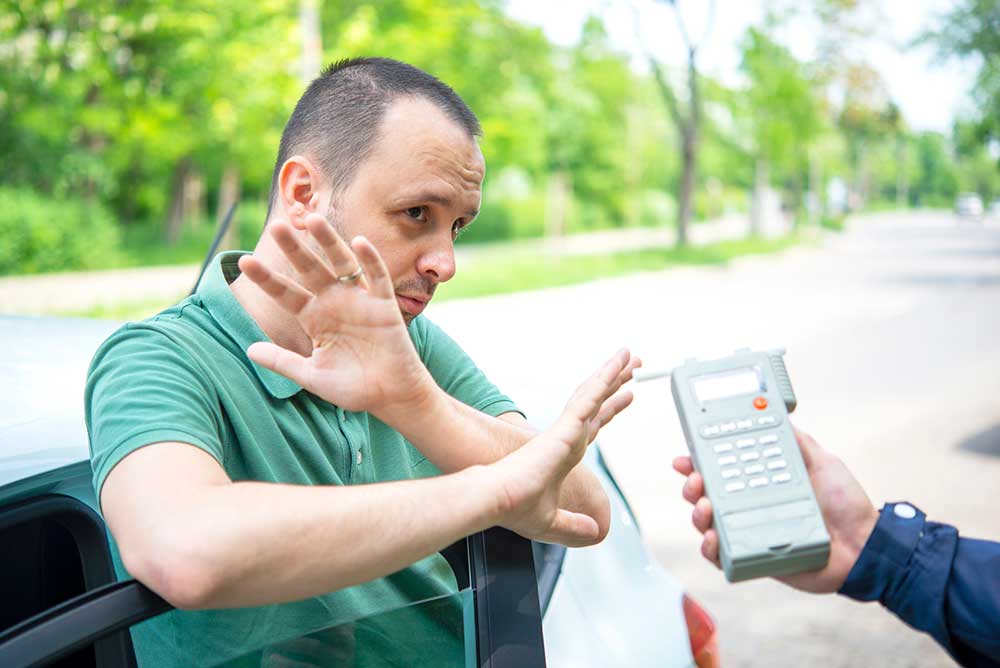
Many drivers are surprised to learn that refusing a breath test after a DWI arrest can have consequences separate from the criminal charge itself. While some individuals believe that declining chemical testing may make it harder for prosecutors to prove impairment, North Carolina law imposes administrative penalties that can affect a person's driving privileges even before a DWI case is resolved.
Because breath test refusals can create both criminal and administrative issues, understanding the potential consequences is important. If you have been accused of impaired driving and refused a chemical test, consulting an experienced attorney may help you better understand your legal situation and available options.
At Amburgey Law, Thomas Amburgey represents individuals facing DWI charges throughout Asheville and Western North Carolina. As a former prosecutor and North Carolina Board Certified Specialist in Criminal Law, he helps clients navigate the legal and practical challenges that often arise following a DWI arrest.
North Carolina's Implied Consent Law
North Carolina operates under what is commonly known as an implied consent law. Under this legal framework, individuals who drive on North Carolina roadways are deemed to have consented to certain chemical tests when lawfully requested by law enforcement officers during a DWI investigation.
Chemical testing may involve breath, blood, or other approved testing methods depending on the circumstances. When an officer determines that testing is appropriate, a driver's refusal can trigger consequences independent of the criminal prosecution.
Many drivers are unaware of these rules until they find themselves facing a DWI investigation.
What Happens If You Refuse a Breath Test?
A refusal to submit to a lawfully requested chemical test may result in administrative consequences affecting a person's driving privileges. These consequences often occur separately from the criminal court process and may take effect regardless of whether the underlying DWI charge ultimately results in a conviction.
For many individuals, the loss of driving privileges can create immediate challenges involving employment, family obligations, education, and medical appointments.
Because license-related issues often arise quickly following a refusal, prompt evaluation of the situation is frequently important.
Can Prosecutors Still Pursue a DWI Charge?
Yes. Refusing a breath test does not automatically prevent prosecutors from pursuing impaired driving charges.
Law enforcement officers may rely on other forms of evidence, including:
- Officer observations
- Driving behavior
- Field sobriety testing
- Witness statements
- Video recordings
- Other evidence gathered during the investigation
As a result, a DWI case may proceed even when no breath test result is available.
Why Refusal Cases Can Be Complex
Breath test refusal cases often involve both administrative and criminal proceedings. Questions may arise regarding the legality of the traffic stop, compliance with testing procedures, advisement of rights, and whether the refusal was properly documented.
In some situations, the circumstances surrounding the refusal itself may become an important issue in the case. Because these matters frequently involve procedural requirements and deadlines, careful review of the facts is often necessary.
No two refusal cases are exactly alike, and the legal issues involved can vary significantly from one situation to another.
How Amburgey Law Helps
A breath test refusal can create challenges beyond those normally associated with a DWI arrest. Thomas Amburgey works with clients to evaluate the facts of the case, review the evidence, identify potential legal issues, and address concerns relating to both the criminal charge and the administrative consequences.
As a former prosecutor, he understands how law enforcement agencies investigate impaired driving offenses and how prosecutors present refusal-related evidence in court. His experience allows him to provide informed guidance throughout the legal process while helping clients understand their rights and options.
Contact an Asheville DWI Attorney
Refusing a breath test can have significant legal consequences, but it does not automatically determine the outcome of a DWI case. Understanding the issues involved and obtaining experienced legal guidance can be an important step toward protecting your rights.
If you have been charged with DWI or are facing consequences related to a breath test refusal, contact Amburgey Law today to schedule a confidential consultation. Thomas Amburgey provides experienced criminal defense representation throughout Asheville and Western North Carolina.
FAQs
The articles on this blog are accurate as of their date of publication and are intended to provide general information about the status of the law and commonly accepted practices in North Carolina.
These articles should not be considered legal advice.
For personalized guidance, we recommend consulting with a qualified attorney.
Felony Crimes and Misdemeanors
Thomas Amburgey is a criminal defense lawyer that represents people in a wide and inclusive range of felony and misdemeanor accusations and charges. If you have been accused of a crime, no matter how small you believe it to be, call Thomas today and begin protecting your rights under the Constitution.
Homicide & Capital Crime
Murder is one of the most serious crimes to be accused of and, if convicted, is accompanied by a life sentence, possibly without parole. Some examples of murder charges are:
Weapons Offenses
Thomas Amburgey’s extensive trial experience as a prosecutor allows him to intimately understand the weaknesses of the state’s case, where their positions lie, and how to best communicate with the DA. He knows the courtroom. Through more than seventy jury trials, he’s gained an innate understanding of what is most important for putting you in the position to win.
DUI / DWI
North Carolina law enforcement does not take DWI/DUI matters lightly and has some of the most stringent sentencing structures in the Country. If you are found to be legally intoxicated on a North Carolina highway, we firmly recommend that you seek a defense lawyer with particular experience with North Carolina DWI/DUI charges. As a former prosecutor, criminal defense attorney Thomas Amburgey is exceptionally knowledgeable of the State Court systems and the DWI/DUI process.
Violent Crimes: Assault, Battery, Domestic Violence
- Assault and Battery
- Assault with Intent to Kill
- Assault with a Deadly Weapon
- Domestic Violence
- Hate Crimes
- Sexual Assault, Rape
- Manslaughter
- Murder/Homicide
- Robbery and Burglary (Breaking and Entering)
- Vehicular Manslaughter
- Violation of Domestic Protective Order (Restraining Order)
- Weapons Crimes
Larceny: Theft, Burglary, Shoplifting
- Concealment of merchandise in a store
- Felony larceny of motor vehicle parts
- Larceny of gasoline at a service station
- Receiving or possessing stolen goods
- Removal of a shopping cart from store premises
Sex Crimes: Child Abuse, Child Pornography, Rape
- Abuse and Sexual Assault
- Indecent exposure, lewd and lascivious conduct
- Indecent liberties with a juvenile
- Internet Sex Crimes
- Molestation
- Pimping, pandering, and prostitution
- Rape and Date Rape
- Sexual Harassment
- Statutory rape (sex with a minor)
Probation Violations
- Failing to report to a probation officer
- Missing curfew
- Testing positive for alcohol or drugs
- Failing to pay fines or restitution
- New charges
Student Offenses
- Assault
- Disorderly conduct
- DWI and DWI under 21
- Fake ID possession
- Underage possession of alcohol
- Possession of marijuana with intent to distribute or for personal use
- Possession of a Controlled Substance
- Prescription Drug Charges
- Sexual assault or battery
DRUG & SUBSTANCE OFFENSES
A drug crime conviction can impose some of the harshest penalties available, including hefty fines, seizure of property, and possible imprisonment. If you are faced with any type of drug crime, you need an experienced criminal defense attorney to help you navigate the complex drug laws of North Carolina.
White-Collar Crime
Common white-collar crimes include:
- Fraud
- Embezzlement
- Money Laundering
- Forgery
If you suspect that you are the subject of a criminal, corporate, or governmental investigation, seek the assistance of an experienced criminal lawyer to help you.

CERTIFIED LEGAL SPECIALIST


THE LEGAL ELITE

Best Lawyers in America