Unlawful Discharge of a Firearm in North Carolina
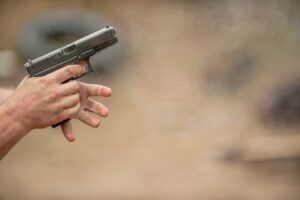
Discharging a firearm in the wrong place or at the wrong time can quickly turn into a serious criminal offense in North Carolina. Whether the shot was accidental, celebratory, or part of a more complex altercation, an unlawful discharge of a firearm charge can carry steep penalties—including jail time, fines, loss of gun rights, and the creation of a permanent criminal record. Prosecutors and judges often take a zero-tolerance approach, especially when the discharge occurs in public or endangers others.
What Counts as Unlawful Discharge?
Under N.C. General Statutes § 14-34.9 and related laws, the unlawful discharge of a firearm includes any situation where a gun is intentionally or recklessly fired in:
- A public place
- An occupied or unoccupied dwelling or building
- A vehicle
- Within city limits or at a prohibited time
- In a manner that threatens public safety or property
It doesn’t matter if the firearm was legally owned or if the person firing it has a concealed carry permit. The focus is on where, when, and how the discharge happened—and whether it endangered others.
Real-World Examples That Lead to Charges
Clients often face this charge under the following circumstances:
- Firing a gun into the air during celebrations or holidays
- Discharging a firearm near a public gathering or event
- Target practice in a prohibited area
- An argument or road rage incident that escalates
- Accidental discharge in a public or residential area
Even if no one is injured, the intent or recklessness of the act can still lead to a criminal conviction.
Penalties for Unlawful Discharge of a Firearm
The severity of the penalties depends on the specific circumstances of the case. A basic charge may be filed as a Class E or F felony, which carries a potential prison sentence of 13 to 41 months for a first-time offender. If the discharge occurred into an occupied property or was part of a violent crime, the case may be elevated to a Class C felony, punishable by up to 231 months in prison.
Beyond prison time, convictions can result in loss of firearm rights, permanent criminal record, increased penalties for future charges, and, in some cases, federal prosecution.
State vs. Federal Jurisdiction
Most unlawful discharge cases are handled in state court, but federal charges may arise if the incident involves interstate commerce, federally regulated property, or if the shooter is a prohibited person (such as a felon or someone under a domestic protective order). Federal sentencing guidelines are often stricter, and any enhancement due to weapons use during a violent or drug-related felony can carry mandatory prison time. Thomas Amburgey, with his background as a prosecutor and his growing federal defense practice, is well-prepared to defend these cases at both the state and federal levels.
Experienced Defense from a Board-Certified Trial Lawyer
Gun charges involving unlawful discharge are often emotionally charged and based on subjective witness accounts. Thomas Amburgey brings the insight of a former prosecutor and the trial skill of a Board Certified Criminal Law Specialist to every weapons case. He evaluates the facts, challenges police assumptions, and ensures that your side of the story is heard and respected in court.
Schedule a confidential consultation today and take control of your defense.
Weapons Related Defense
KEY POINTS
- You do not need to hit anyone or anything to be charged—the act of discharging a weapon is often enough
- Location matters—urban settings, near schools or gatherings, or near homes increase severity
- Even legal firearm owners can face this charge
- You could be facing a felony conviction and loss of gun rights
FAQs

Felony Crimes and Misdemeanors
Thomas Amburgey is a criminal defense lawyer that represents people in a wide and inclusive range of felony and misdemeanor accusations and charges. If you have been accused of a crime, no matter how small you believe it to be, call Thomas today and begin protecting your rights under the Constitution.
Homicide & Capital Crime
Murder is one of the most serious crimes to be accused of and, if convicted, is accompanied by a life sentence, possibly without parole. Some examples of murder charges are:
Weapons Offenses
Thomas Amburgey’s extensive trial experience as a prosecutor allows him to intimately understand the weaknesses of the state’s case, where their positions lie, and how to best communicate with the DA. He knows the courtroom. Through more than seventy jury trials, he’s gained an innate understanding of what is most important for putting you in the position to win.
DUI / DWI
North Carolina law enforcement does not take DWI/DUI matters lightly and has some of the most stringent sentencing structures in the Country. If you are found to be legally intoxicated on a North Carolina highway, we firmly recommend that you seek a defense lawyer with particular experience with North Carolina DWI/DUI charges. As a former prosecutor, criminal defense attorney Thomas Amburgey is exceptionally knowledgeable of the State Court systems and the DWI/DUI process.
Violent Crimes: Assault, Battery, Domestic Violence
- Assault and Battery
- Assault with Intent to Kill
- Assault with a Deadly Weapon
- Domestic Violence
- Hate Crimes
- Sexual Assault, Rape
- Manslaughter
- Murder/Homicide
- Robbery and Burglary (Breaking and Entering)
- Vehicular Manslaughter
- Violation of Domestic Protective Order (Restraining Order)
- Weapons Crimes
Larceny: Theft, Burglary, Shoplifting
- Concealment of merchandise in a store
- Felony larceny of motor vehicle parts
- Larceny of gasoline at a service station
- Receiving or possessing stolen goods
- Removal of a shopping cart from store premises
Sex Crimes: Child Abuse, Child Pornography, Rape
- Abuse and Sexual Assault
- Indecent exposure, lewd and lascivious conduct
- Indecent liberties with a juvenile
- Internet Sex Crimes
- Molestation
- Pimping, pandering, and prostitution
- Rape and Date Rape
- Sexual Harassment
- Statutory rape (sex with a minor)
Probation Violations
- Failing to report to a probation officer
- Missing curfew
- Testing positive for alcohol or drugs
- Failing to pay fines or restitution
- New charges
Student Offenses
- Assault
- Disorderly conduct
- DWI and DWI under 21
- Fake ID possession
- Underage possession of alcohol
- Possession of marijuana with intent to distribute or for personal use
- Possession of a Controlled Substance
- Prescription Drug Charges
- Sexual assault or battery
DRUG & SUBSTANCE OFFENSES
A drug crime conviction can impose some of the harshest penalties available, including hefty fines, seizure of property, and possible imprisonment. If you are faced with any type of drug crime, you need an experienced criminal defense attorney to help you navigate the complex drug laws of North Carolina.
White-Collar Crime
Common white-collar crimes include:
- Fraud
- Embezzlement
- Money Laundering
- Forgery
If you suspect that you are the subject of a criminal, corporate, or governmental investigation, seek the assistance of an experienced criminal lawyer to help you.

CERTIFIED LEGAL SPECIALIST


THE LEGAL ELITE

Best Lawyers in America