Robbery and Burglary (Breaking and Entering) in North Carolina
Charges involving robbery, burglary, or breaking and entering are some of the most aggressively prosecuted violent crimes in North Carolina. These offenses suggest not just theft, but threat or use of force, and they can carry decades-long sentences. If you're facing any of these charges, you need a defense built on courtroom skill, legal precision, and a deep understanding of how the State prosecutes serious property crimes.
Robbery vs. Burglary vs. Breaking and Entering
These terms are often used interchangeably, but under North Carolina law, they are distinct:
- Robbery involves taking property from another person through force or threat of force. It is a violent crime.
- Burglary involves unlawfully entering a dwelling with the intent to commit a felony or theft.
- Breaking and Entering typically refers to unauthorized entry into any building, often charged as a lesser felony.
Each of these crimes can be elevated depending on the presence of a weapon, whether a person was home at the time, or whether anyone was injured during the offense.
Common Charges and Classifications
- Armed Robbery (with a dangerous weapon): Class D felony
- Common Law Robbery (by force, no weapon): Class G felony
- First-Degree Burglary (occupied dwelling): Class D felony
- Second-Degree Burglary (unoccupied dwelling): Class G felony
- Felony Breaking and Entering: Class H felony
- Misdemeanor Breaking and Entering: Class 1 misdemeanor (non-dwelling structures)
State vs. Federal Jurisdiction
Most robbery and burglary charges are handled in North Carolina state courts, but they may become federal cases under certain conditions:
- If the alleged crime occurred at a bank or credit union (federally insured)
- If it involved crossing state lines
- If the theft impacted interstate commerce
Federal robbery charges—especially bank robbery—carry harsh minimum sentences and are often prosecuted by the U.S. Attorney’s Office. As Thomas Amburgey’s practice expands into federal criminal defense, his extensive felony trial experience positions him to navigate these high-stakes prosecutions.
Common Client Concerns
- Will I face mandatory prison time?
- Is this a violent crime even if no one was hurt?
- Can I get bail for a felony burglary charge?
- Does video or eyewitness testimony seal my fate?
Thomas Amburgey is a Board Certified Criminal Law Specialist and former prosecutor who knows how to challenge surveillance footage, question witness credibility, and negotiate strategically when the stakes are high.
Don’t Let One Charge Define Your Future
Robbery, burglary, and breaking and entering cases often involve more than what’s shown on paper. You deserve a defense that investigates thoroughly, challenges assumptions, and puts the State to the test. With over 70 jury trials and thousands of cases handled, Thomas Amburgey has the courtroom credibility and legal knowledge to defend your freedom.
Call now for a confidential consultation.
VIOLENT CRIME DEFENSE Services
KEY POINTS
- Robbery is considered a violent offense, even without injury
- Burglary charges escalate based on occupancy and time of day
- Breaking and entering may be charged as a felony or misdemeanor
- Federal prosecution is possible in certain cases
- Early legal strategy can impact sentencing, bail, and outcome
FAQs




Felony Crimes and Misdemeanors
Thomas Amburgey is a criminal defense lawyer that represents people in a wide and inclusive range of felony and misdemeanor accusations and charges. If you have been accused of a crime, no matter how small you believe it to be, call Thomas today and begin protecting your rights under the Constitution.
Homicide & Capital Crime
Murder is one of the most serious crimes to be accused of and, if convicted, is accompanied by a life sentence, possibly without parole. Some examples of murder charges are:
Weapons Offenses
Thomas Amburgey’s extensive trial experience as a prosecutor allows him to intimately understand the weaknesses of the state’s case, where their positions lie, and how to best communicate with the DA. He knows the courtroom. Through more than seventy jury trials, he’s gained an innate understanding of what is most important for putting you in the position to win.
DUI / DWI
North Carolina law enforcement does not take DWI/DUI matters lightly and has some of the most stringent sentencing structures in the Country. If you are found to be legally intoxicated on a North Carolina highway, we firmly recommend that you seek a defense lawyer with particular experience with North Carolina DWI/DUI charges. As a former prosecutor, criminal defense attorney Thomas Amburgey is exceptionally knowledgeable of the State Court systems and the DWI/DUI process.
Violent Crimes: Assault, Battery, Domestic Violence
- Assault and Battery
- Assault with Intent to Kill
- Assault with a Deadly Weapon
- Domestic Violence
- Hate Crimes
- Sexual Assault, Rape
- Manslaughter
- Murder/Homicide
- Robbery and Burglary (Breaking and Entering)
- Vehicular Manslaughter
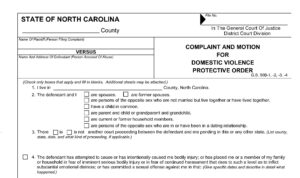
- Violation of Domestic Protective Order (Restraining Order)
- Weapons Crimes
Larceny: Theft, Burglary, Shoplifting
- Concealment of merchandise in a store
- Felony larceny of motor vehicle parts
- Larceny of gasoline at a service station
- Receiving or possessing stolen goods
- Removal of a shopping cart from store premises
Sex Crimes: Child Abuse, Child Pornography, Rape
- Abuse and Sexual Assault
- Indecent exposure, lewd and lascivious conduct
- Indecent liberties with a juvenile
- Internet Sex Crimes
- Molestation
- Pimping, pandering, and prostitution
- Rape and Date Rape
- Sexual Harassment
- Statutory rape (sex with a minor)
Probation Violations
- Failing to report to a probation officer
- Missing curfew
- Testing positive for alcohol or drugs
- Failing to pay fines or restitution
- New charges
Student Offenses
- Assault
- Disorderly conduct
- DWI and DWI under 21
- Fake ID possession
- Underage possession of alcohol
- Possession of marijuana with intent to distribute or for personal use
- Possession of a Controlled Substance
- Prescription Drug Charges
- Sexual assault or battery
DRUG & SUBSTANCE OFFENSES
A drug crime conviction can impose some of the harshest penalties available, including hefty fines, seizure of property, and possible imprisonment. If you are faced with any type of drug crime, you need an experienced criminal defense attorney to help you navigate the complex drug laws of North Carolina.
White-Collar Crime
Common white-collar crimes include:
- Fraud
- Embezzlement
- Money Laundering
- Forgery
If you suspect that you are the subject of a criminal, corporate, or governmental investigation, seek the assistance of an experienced criminal lawyer to help you.

CERTIFIED LEGAL SPECIALIST


THE LEGAL ELITE

Best Lawyers in America