Challenging Field Sobriety Tests in North Carolina
Field sobriety tests are frequently used by law enforcement officers during DWI investigations. Many drivers assume these tests provide a definitive measure of impairment, but field sobriety testing is often more subjective than people realize. Factors unrelated to alcohol or drug impairment may influence a person's performance, and the results are often open to interpretation.
Because field sobriety tests can become an important part of the evidence presented in a DWI case, understanding how they are administered and evaluated can be helpful for individuals facing impaired driving charges.
At Amburgey Law, Thomas Amburgey represents clients accused of DWI offenses throughout Asheville and Western North Carolina. As a former prosecutor and North Carolina Board Certified Specialist in Criminal Law, he understands how prosecutors use field sobriety test evidence and the legal issues that may arise when evaluating its reliability.
What Are Field Sobriety Tests?
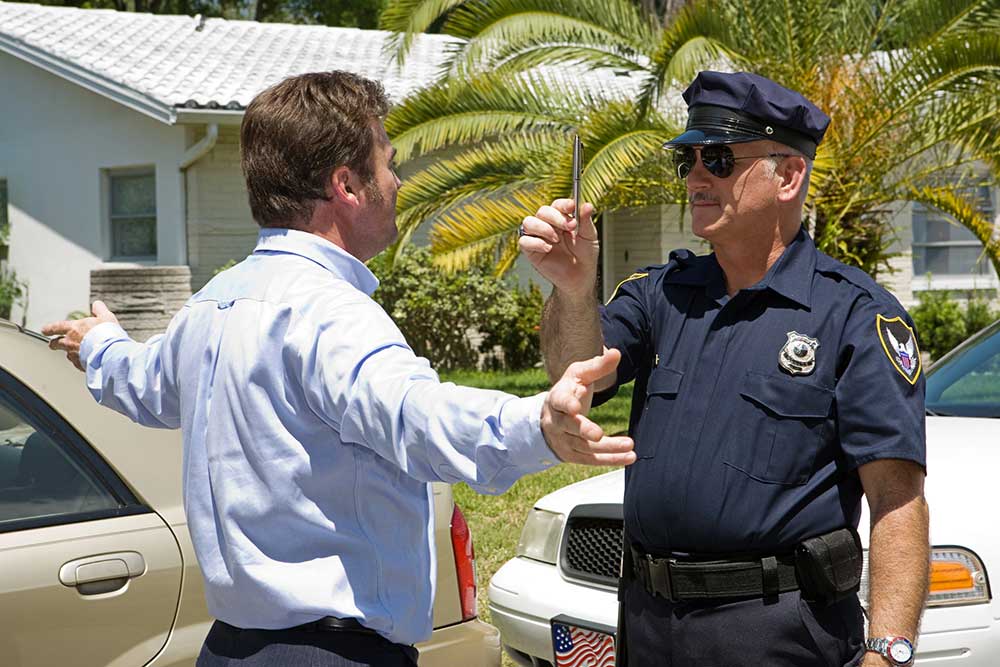
Field sobriety tests are physical and mental exercises used by law enforcement officers during DWI investigations. These tests are intended to help officers assess whether a driver may be impaired.
The most commonly used standardized field sobriety tests include:
- Horizontal Gaze Nystagmus (HGN)
- Walk-and-Turn Test
- One-Leg Stand Test
Officers may also rely on other observations and non-standardized exercises when forming opinions about a driver's condition.
Although these tests are widely used, they do not directly measure blood alcohol concentration or establish impairment on their own.
Why Field Sobriety Tests Can Be Challenging
Unlike a chemical test that produces a numerical result, field sobriety tests often depend on an officer's observations and interpretations. This can create questions regarding how the tests were administered and whether the results accurately reflect impairment.
Many factors unrelated to alcohol or drug use may affect performance, including:
- Age
- Physical injuries
- Medical conditions
- Fatigue
- Anxiety or nervousness
- Poor weather conditions
- Uneven surfaces
- Footwear or clothing restrictions
As a result, a person may struggle with field sobriety tests for reasons unrelated to impairment.
The Importance of Proper Administration
Standardized field sobriety tests are designed to be administered according to specific procedures. When those procedures are not followed correctly, questions may arise regarding the reliability of the results.
Issues that may become relevant include:
- Improper instructions
- Incomplete demonstrations
- Unsuitable testing conditions
- Failure to follow standardized protocols
- Inaccurate scoring or interpretation
Because field sobriety testing relies heavily on officer observations, careful review of the circumstances surrounding the testing process is often important.
Video Evidence and Field Sobriety Tests
Many DWI investigations involve body camera footage, dashboard camera recordings, or other video evidence. These recordings may provide additional context regarding how field sobriety tests were conducted and how a driver actually performed.
Video evidence can sometimes become an important part of evaluating the accuracy of an officer's conclusions. In some cases, the footage may support the officer's observations, while in others it may raise questions about the interpretation of a driver's performance.
A thorough review of all available evidence is often necessary before reaching conclusions about the strength of the State's case.
Field Sobriety Tests Are Only One Part of a DWI Case
Field sobriety tests are rarely the only evidence considered in a DWI prosecution. Prosecutors often rely on multiple sources of evidence, including officer observations, driving behavior, chemical testing results, witness statements, and video recordings.
Likewise, the defense may evaluate all available evidence when assessing the strengths and weaknesses of a case. The significance of any particular field sobriety test often depends on the broader context of the investigation.
How Amburgey Law Helps
Evaluating field sobriety test evidence often requires careful review of the testing conditions, officer observations, video recordings, and investigative procedures. Thomas Amburgey works with clients to examine the evidence, identify potential legal issues, and develop defense strategies tailored to the circumstances of each case.
As a former prosecutor, he understands how field sobriety testing evidence is presented in court and how prosecutors attempt to establish impairment through officer testimony. His experience allows him to provide informed guidance throughout the legal process while helping clients understand the evidence and their options.
Contact an Asheville DWI Attorney
Field sobriety tests can play an important role in a DWI investigation, but they do not automatically determine the outcome of a case. Understanding how these tests are administered and evaluated may be an important part of building a defense.
If you have been charged with DWI in Asheville or elsewhere in Western North Carolina, contact Amburgey Law today to schedule a confidential consultation. Thomas Amburgey provides experienced criminal defense representation for individuals facing impaired driving charges throughout Western North Carolina.
FAQs
The articles on this blog are accurate as of their date of publication and are intended to provide general information about the status of the law and commonly accepted practices in North Carolina.
These articles should not be considered legal advice.
For personalized guidance, we recommend consulting with a qualified attorney.
Felony Crimes and Misdemeanors
Thomas Amburgey is a criminal defense lawyer that represents people in a wide and inclusive range of felony and misdemeanor accusations and charges. If you have been accused of a crime, no matter how small you believe it to be, call Thomas today and begin protecting your rights under the Constitution.
Homicide & Capital Crime
Murder is one of the most serious crimes to be accused of and, if convicted, is accompanied by a life sentence, possibly without parole. Some examples of murder charges are:
Weapons Offenses
Thomas Amburgey’s extensive trial experience as a prosecutor allows him to intimately understand the weaknesses of the state’s case, where their positions lie, and how to best communicate with the DA. He knows the courtroom. Through more than seventy jury trials, he’s gained an innate understanding of what is most important for putting you in the position to win.
DUI / DWI
North Carolina law enforcement does not take DWI/DUI matters lightly and has some of the most stringent sentencing structures in the Country. If you are found to be legally intoxicated on a North Carolina highway, we firmly recommend that you seek a defense lawyer with particular experience with North Carolina DWI/DUI charges. As a former prosecutor, criminal defense attorney Thomas Amburgey is exceptionally knowledgeable of the State Court systems and the DWI/DUI process.
Violent Crimes: Assault, Battery, Domestic Violence
- Assault and Battery
- Assault with Intent to Kill
- Assault with a Deadly Weapon
- Domestic Violence
- Hate Crimes
- Sexual Assault, Rape
- Manslaughter
- Murder/Homicide
- Robbery and Burglary (Breaking and Entering)
- Vehicular Manslaughter
- Violation of Domestic Protective Order (Restraining Order)
- Weapons Crimes
Larceny: Theft, Burglary, Shoplifting
- Concealment of merchandise in a store
- Felony larceny of motor vehicle parts
- Larceny of gasoline at a service station
- Receiving or possessing stolen goods
- Removal of a shopping cart from store premises
Sex Crimes: Child Abuse, Child Pornography, Rape
- Abuse and Sexual Assault
- Indecent exposure, lewd and lascivious conduct
- Indecent liberties with a juvenile
- Internet Sex Crimes
- Molestation
- Pimping, pandering, and prostitution
- Rape and Date Rape
- Sexual Harassment
- Statutory rape (sex with a minor)
Probation Violations
- Failing to report to a probation officer
- Missing curfew
- Testing positive for alcohol or drugs
- Failing to pay fines or restitution
- New charges
Student Offenses
- Assault
- Disorderly conduct
- DWI and DWI under 21
- Fake ID possession
- Underage possession of alcohol
- Possession of marijuana with intent to distribute or for personal use
- Possession of a Controlled Substance
- Prescription Drug Charges
- Sexual assault or battery
DRUG & SUBSTANCE OFFENSES
A drug crime conviction can impose some of the harshest penalties available, including hefty fines, seizure of property, and possible imprisonment. If you are faced with any type of drug crime, you need an experienced criminal defense attorney to help you navigate the complex drug laws of North Carolina.
White-Collar Crime
Common white-collar crimes include:
- Fraud
- Embezzlement
- Money Laundering
- Forgery
If you suspect that you are the subject of a criminal, corporate, or governmental investigation, seek the assistance of an experienced criminal lawyer to help you.

CERTIFIED LEGAL SPECIALIST


THE LEGAL ELITE

Best Lawyers in America